Repiping a Shreveport Home: Getting an Estimate From Residential Plumbers in Shreveport, LA
Repiping a home is a significant project, and knowing what to expect from the estimate process can help homeowners make confident decisions. If you have been experiencing discolored water, low pressure, or frequent leaks, you may already be wondering whether your pipes need full replacement. Working with experienced residential plumbers in Shreveport, LA, is the best way to get a clear picture of what your home needs before any work begins.
What Happens During a Repipe Estimate?
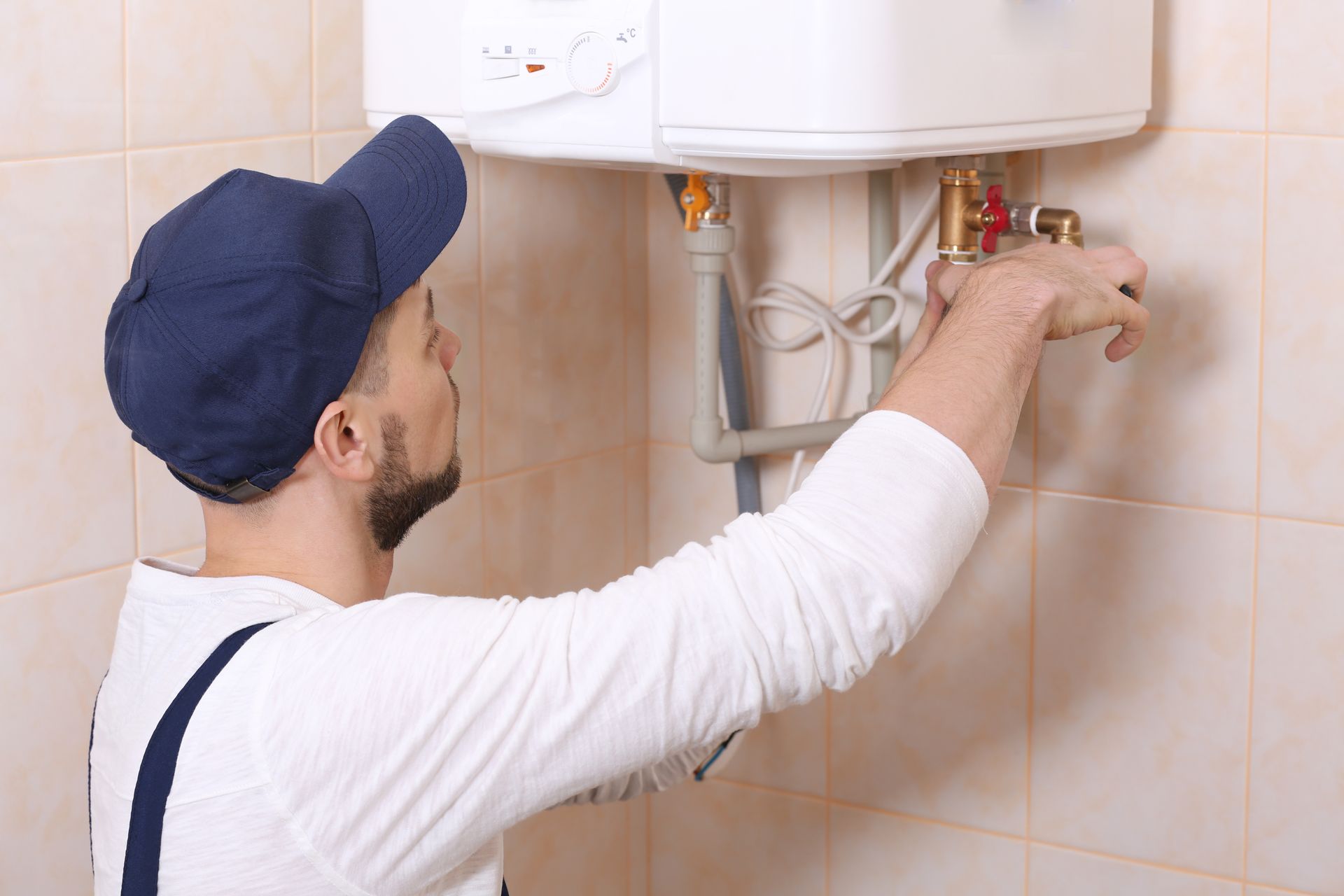
A repipe estimate is a structured in-home evaluation. Residential plumbers in Shreveport, LA, visit your property, review the existing pipe system, and identify what work is needed to restore reliable water flow throughout the house.
The process generally starts with a visual inspection of accessible pipes. A plumber may check under sinks, in crawl spaces, around the water heater, and along any exposed runs in the attic or basement. In Shreveport, LA, many older neighborhoods such as Broadmoor, Queensborough, and the South Highlands area include homes built in the 1950s through the 1970s. Homes from that era often have galvanized steel pipes, which are well past their typical service life and may be corroding from the inside out.
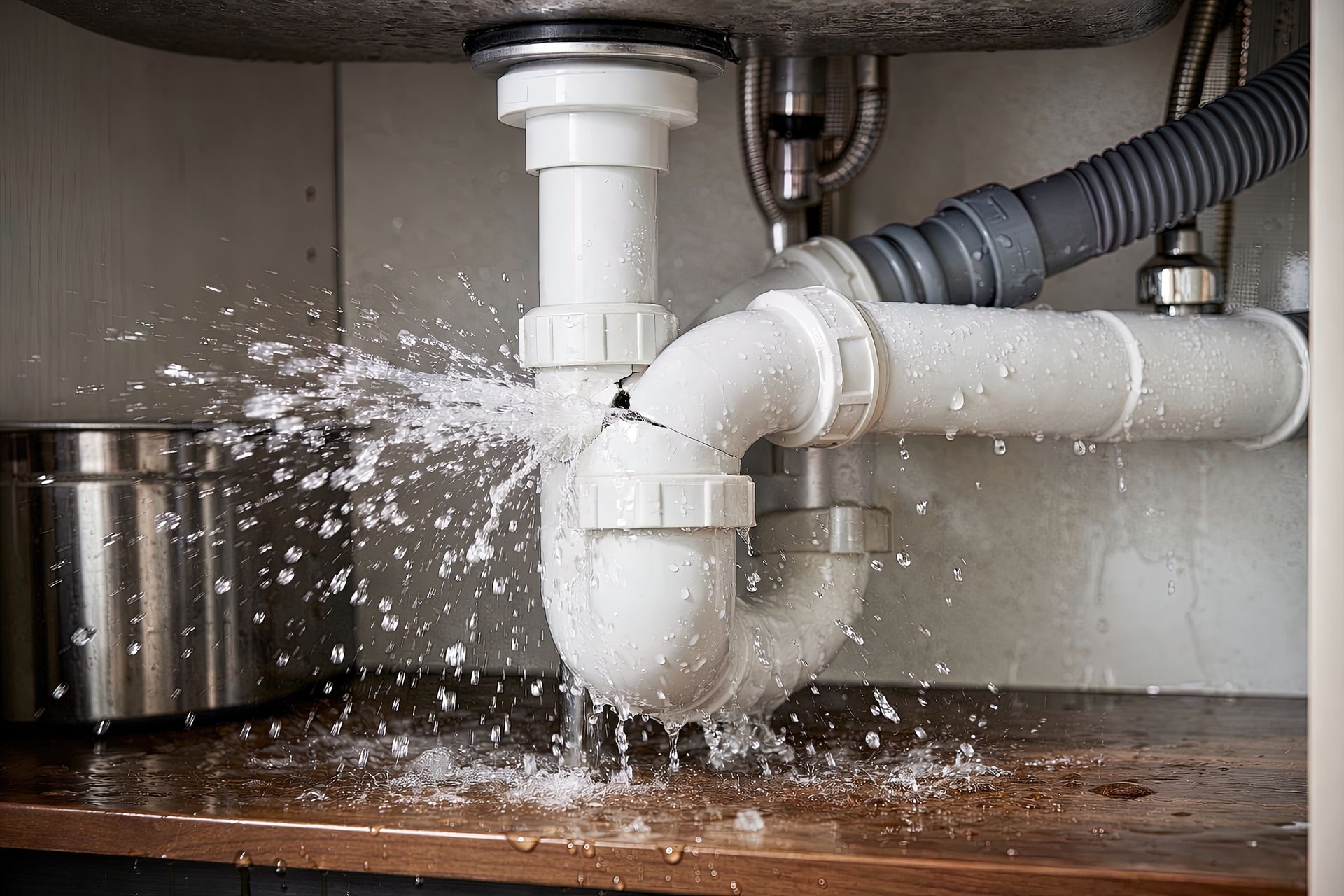
During the inspection, the plumber will also look for signs of active leaks, mineral buildup, reduced pipe diameter from internal rust, and any areas where pipes run under a slab. Slab-run pipes may require different access methods than pipes routed through walls or ceilings, and that affects the overall scope of the work.
Full Repipe vs. Partial Repipe: What Determines the Scope?
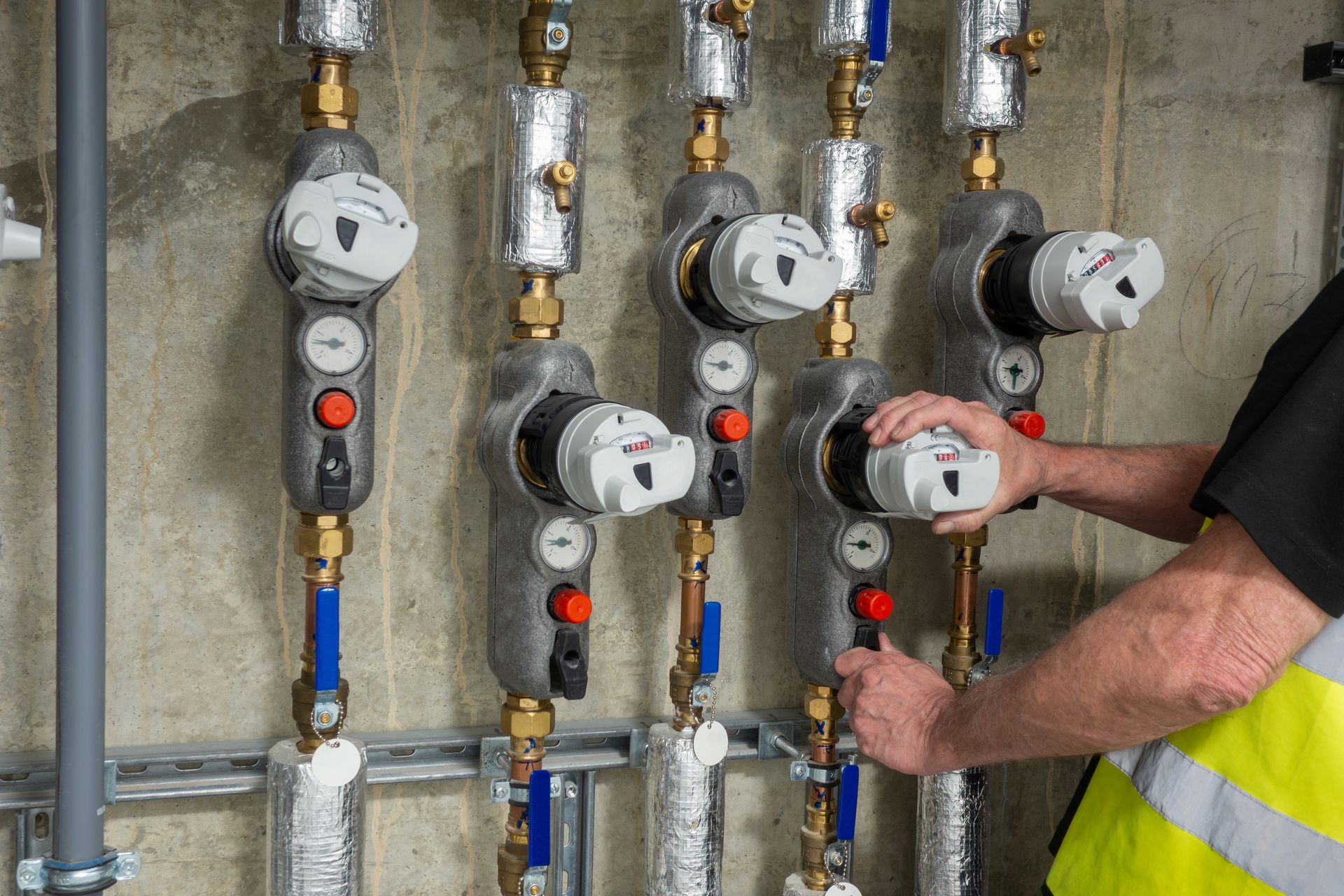
The scope of your repipe depends on the condition and material of your existing pipes. A full repipe replaces all supply lines throughout the home, while a partial repipe addresses only the sections that are failing or at immediate risk.
Residential plumbers in Shreveport, LA, may recommend a full repipe if the home has original galvanized pipes throughout and signs of widespread corrosion. A partial repipe may be sufficient when only specific runs, such as those serving a bathroom addition or a line with repeated leak history, show deterioration. In Shreveport, LA, the combination of aging housing stock and the region's hot, humid summers can accelerate pipe wear, making a thorough evaluation important. Learn more about residential plumbing services to understand what a licensed team can assess during an in-home visit.
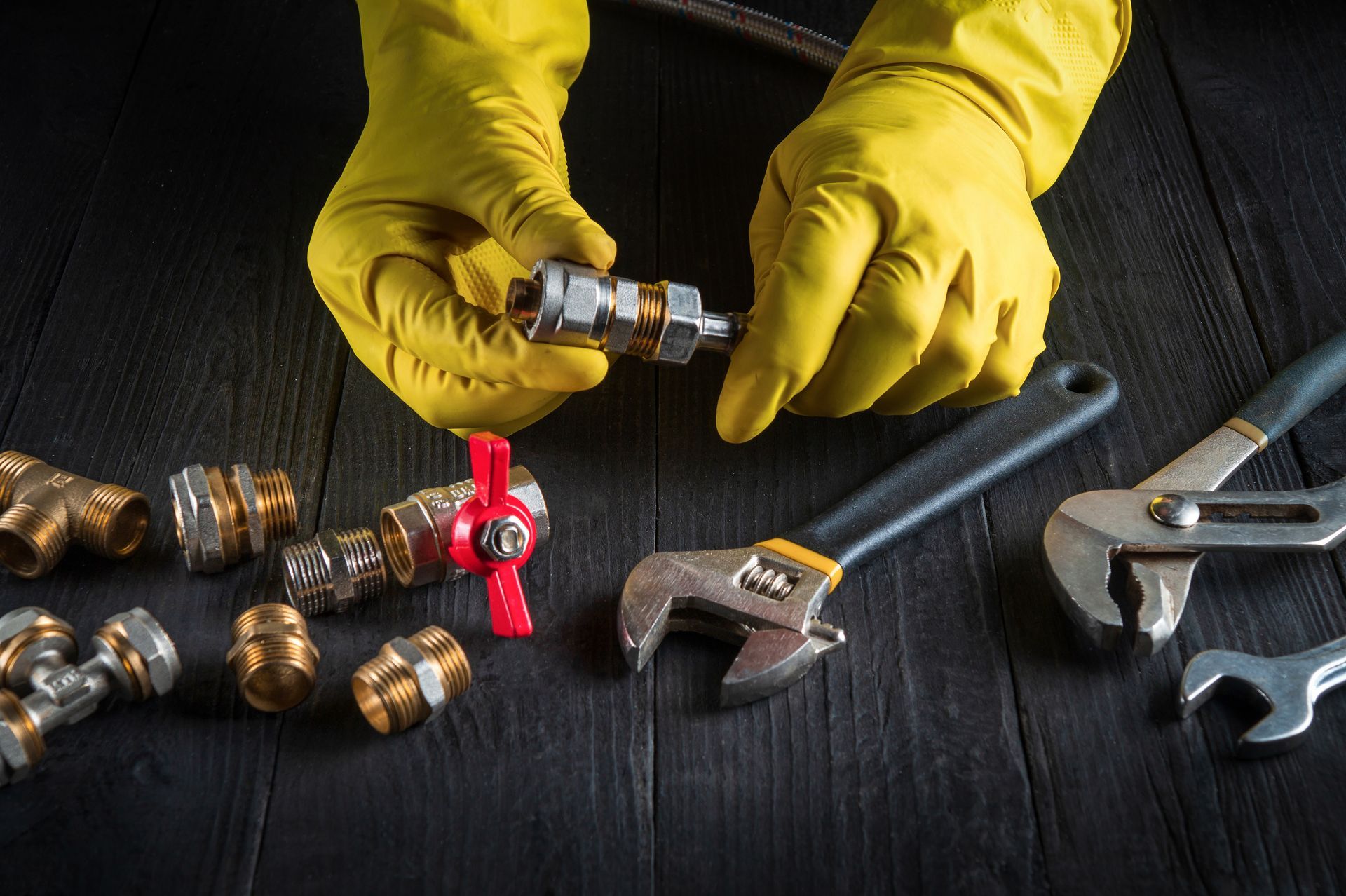
The plumber will also consider pipe material options. Copper and PEX are both commonly used for residential repiping. Each has different installation requirements in terms of wall access and fittings, and a plumber can walk you through the tradeoffs during the estimate appointment.
Key Factors That Affect Repipe Scope
▸ Home age and original pipe material.
▸ Number of bathrooms and fixtures served.
▸ Whether pipes run through slabs, walls, or accessible spaces.
▸ Presence of previous repairs or patchwork on the existing system.
▸ Water quality and evidence of mineral deposits or corrosion.
Access, Disruption, and What to Expect at Your Home
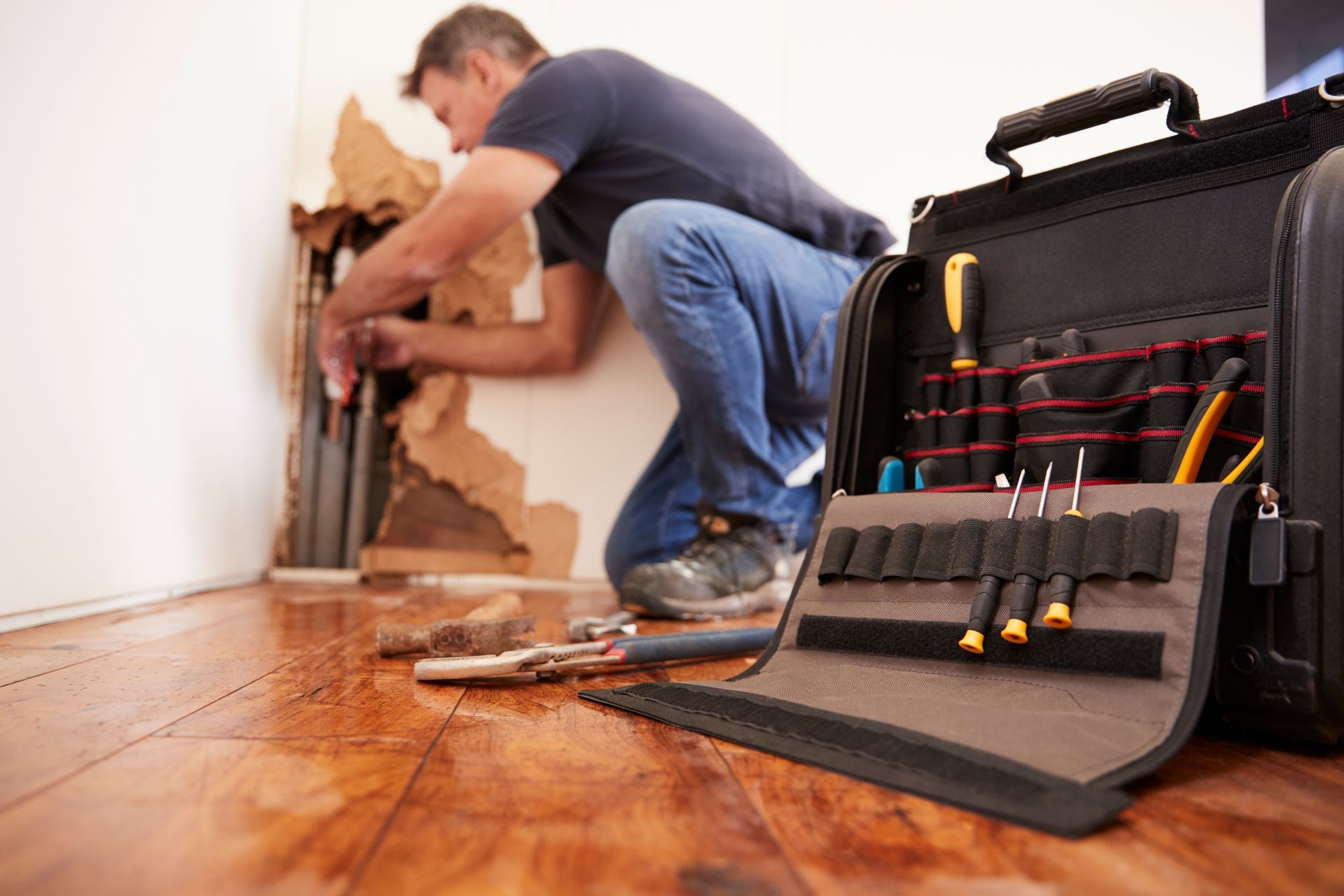
Repiping requires opening walls or ceilings to reach the pipe runs. The extent of that access work can vary widely. A single-story home with accessible attic space often allows plumbers to route new lines with minimal wall cutting. A two-story home or one with pipes embedded in concrete slabs typically requires more planning and more access points.
During the estimate visit, residential plumbers in Shreveport, LA, will map out the likely access points and explain the process before any commitment is made. This is your opportunity to ask about how repairs to drywall, flooring, or tile will be handled after the pipe work is complete. Some plumbing contractors coordinate patch repairs directly; others recommend bringing in a separate contractor for finish work.
In Shreveport, LA, homes near low-lying areas around Cross Lake or the Red River corridor may also have experienced soil movement over the years, which can put added stress on slab-embedded pipes. A plumber familiar with the area can factor local conditions into their evaluation.
How Long Does Repiping Take?
Repiping timelines vary by home size and scope. A smaller single-story home may be completed in one to two days. Larger homes or those requiring slab access can take several days to a week or more. Your plumber can give a timeline estimate once the scope is defined.
How Do I Prepare for a Repipe Estimate?
Write down any symptoms you have noticed: discolored water, pressure drops by fixture, visible rust at supply connections, or the location of past leaks. The more information you can share with the plumber, the more accurate the estimate will be.
Choosing the Right Plumber for a Repipe Estimate
A repipe is not a minor repair. You want a licensed plumber who can document the full scope of work before a single pipe is touched. Louisiana requires a master plumber license for residential plumbing work, so confirming credentials upfront is a reasonable step.
Look for residential plumbers in Shreveport, LA, with experience in residential repiping specifically. A plumber who regularly works in Shreveport, LA, neighborhoods will be familiar with the pipe types common to the area and the local permit requirements that may apply to a full repipe.
Schedule Your In-Home Repipe Estimate With Roach Plumbing & Heating Inc.
If you are ready to find out what your home's piping system actually needs, the next step is a professional in-home estimate. Roach Plumbing & Heating Inc. has been serving the Shreveport area since 1962, and its team of residential plumbers in Shreveport, LA, is qualified to evaluate any residential pipe system and explain exactly what is involved in a full or partial repipe.
Contact us online or call
(318) 631-4533 to request your estimate today. You can also find us on Google at
Roach Plumbing & Heating Inc. to read reviews and get directions.